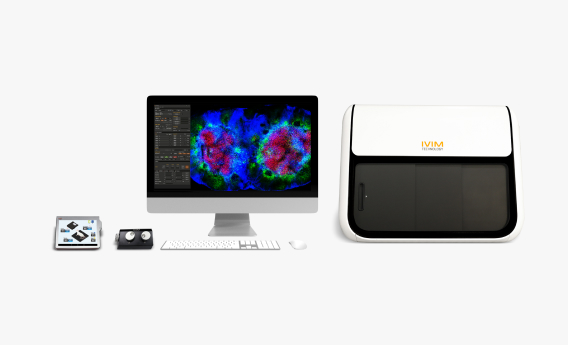
活体显微成像技术
IVIM Technology 提供的一体化活体显微成像平台,是探索体内细胞动态行为、加速药物研发的关键利器。凭借领先的成像技术,我们帮助科研人员直观揭示疾病机制,推动创新疗法的发展。
Learn more产品系列一览
-

IVM-C3
Tractable, Fast, Gentle
IVM-C3 是一款专为共聚焦成像设计的高集成度活体显微镜系统,具备优越的光学分辨率、图像对比度及探测效率,显著优于传统荧光显微镜。
-

IVM-M3
Deep Tissue Imaging, High-Resolution, Tunable
IVM-M3 配备波长可调的飞秒激光器,适用于深层组织成像,并支持二次谐波(second harmonic generation, SHG)信号采集,实现无需染色的周期性排列组织结构可视化。是一款高度灵活的双光子显微镜。
-

IVM-CM3
High Contrast, High Resolution, Dual-mode, Tunable
IVM-CM3 融合共聚焦与双光子功能于一体,拥有卓越的信噪比与图像分辨率。其配备的飞秒激光器支持 690–1050 nm 波长范围内的灵活调谐,是一款性能强大的双模态成像系统。
-

IVM-MS3
Compact, Cost-Saving, Hands-Free
IVM-MS3 为一体式双光子显微镜,配备了 920 nm 固定波长的飞秒激光器。系统操作简便、占地小、性价比高,适用于多种活体实验需求。
-
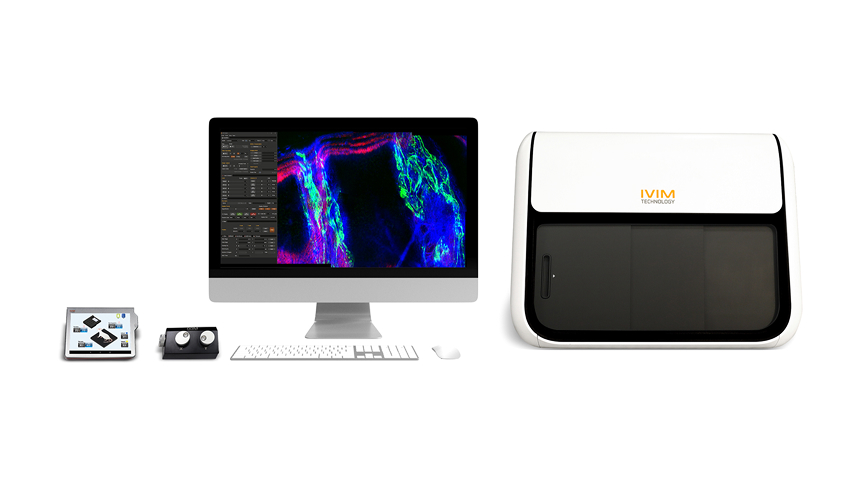
IVM-CMS3
Cost-Effective, Straightforward, Dual-Mode
IVM-CMS3 是全球最紧凑的共聚焦与双光子双模态活体显微镜之一,采用一体式盒式设计,几乎集成所有活体成像所需功能。作为 IVIM Technology 最受欢迎的明星产品,其具备卓越的性价比和应用广度。
-

IVM-FS
Practical, Customizable
IVM-FS 保留 IVM-CMS3 的所有功能优势,并采用开放式结构设计,配备大型载物台,适用于大鼠、雪貂、兔子等中大型实验动物,是高度可定制的活体成像平台。
-
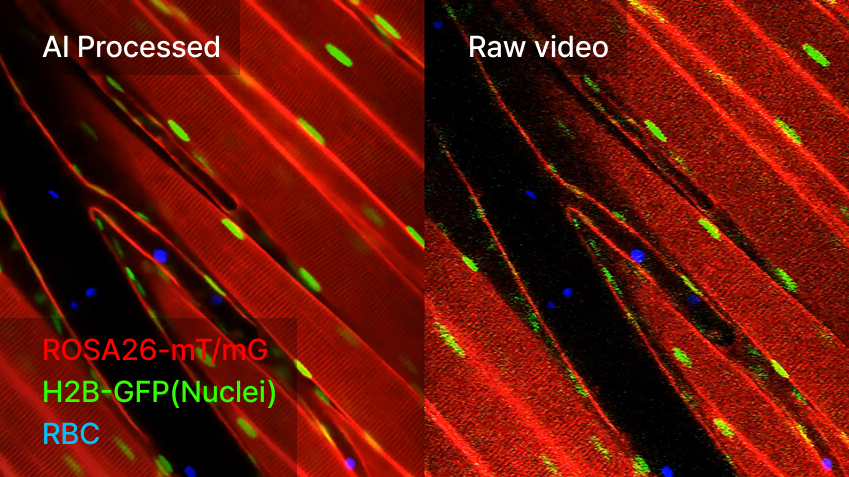
AI-Image Denoiser
用于活体显微成像的高可靠性自监督去噪算法。
-
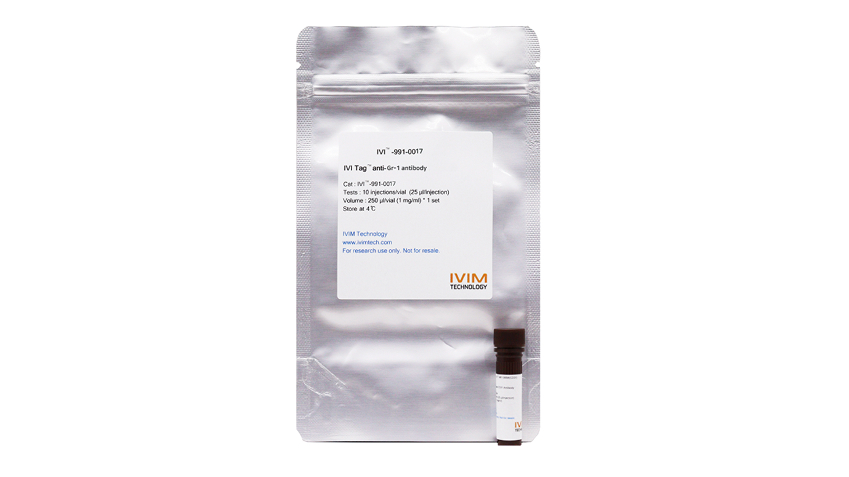
IVI Tag™ – In Vivo Labels
在活体内清晰追踪细胞与蛋白质动态。支持多色成像,无需稀释处理,成像信号稳定可靠。
-
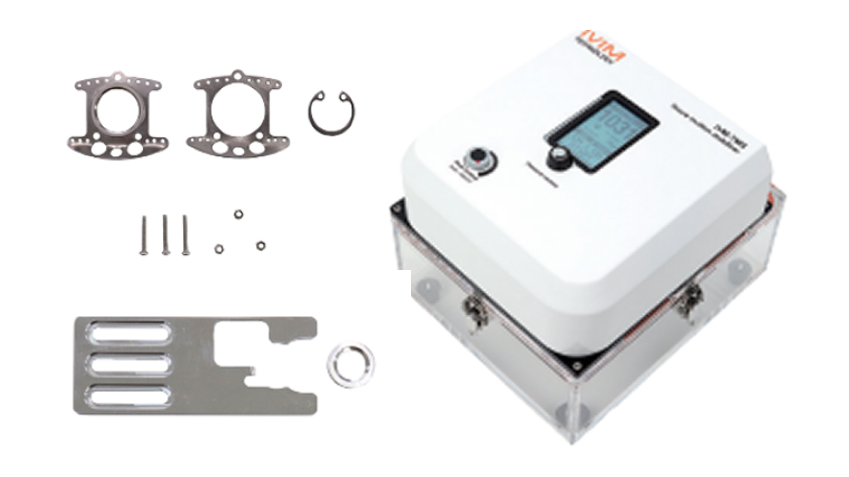
In Vivo Imaging Fixation Adjuncts
实现动态器官的高稳定、长时间精准成像。适用于大脑、胰腺等多种器官,在兼顾动物福利的前提下,拓展活体显微成像研究的可能性。
IVM-C3 (Confocal v.3)

IVM-C3 is a highly integrated system for in vivo imaging, offering significantly enhanced detection efficiency, optical resolution, and image contrast compared to conventional fluorescence microscopy. With a 4-wavelength laser and four high-sensitivity confocal detectors, IVM-C3 enables multi-dimensional views of living cells and tissues in 3D or 4D, while supporting up to four different colors.
Key Features
Bone Marrow
Transplanted cell Vessel (CD31)

Bone Marrow
Transplanted cell Vessel (CD31)

Bone Marrow
Transplanted cell Vessel (CD31)

 Shop
Shop Brochures & Flyers
 Contact
IVM-M3 (Two-Photon v. 3)
DeepTissueImaging,High-resolution, Tunable

IVM-M3 seamlessly combines the flexibility of a traditional converted microscope with the high-resolution imaging capabilities of second-harmonic generation microscopy. Featuring a fully automated tunable fs-pulse NIR laser system, IVM-M3 excels in deep tissue imaging by using less-scattering NIR wavelengths. The comprehensive control functionality of the fs- laser system is integrated with the two-photon imaging software, ensuring user convenience with various automation algorithms. Experience advanced imaging with IVM-M3 for your research needs.
Key Features


IVM-CM3 (ConfocalandTwo-Photon v. 3)

IVM-CM3 delivers exceptional contrast and resolution with its tunable Two-Photon laser unit.It allows focus on samples at desired wavelengths ranging from as low as 690 nm to as high as 1050 nm, and everything in between. This cutting-edge system seamlessly combines the strengths of both Confocal and Two-Photon microscopy, offering limitless possibilities for three- dimensional imaging of living cells whether near the skin or deep within tumors in small animals. Explore the potential of IVM-CM3 for advanced and versatile imaging in your research.
Key Features
Liver
Fibrotic collagen Hepatocyte

Fibrotic collagen Hepatocyte

Fibrotic collagen Hepatocyte

IVM-MS3 (Two- Photon Smart v.3)

IVM-MS3 represents thesmart evolution of IVM-M3, an All-in-One Two-Photon Intravital Microscopy system meticulously optimized for in vivo imaging. This system seamlessly integrates a compact, high-stability, and maintenance-free fs-pulse laser unit into a single box. With the ability to focus on deep tissues at a fixed wavelength of 920nm, IVM- MS3 serves as an exceptional resource for researchers with specific targets, offering optimal functionality within limited resources and budget constraints. Explore the possibilities with IVM-MS3 for efficient and budget-friendly in vivo imaging.
Key Features
Skin
Transplanted cell Transplanted cell Blood vessel (CD31)

Large Intestine
Immune cell Mannose (anti-inflammation) Blood vessel (CD31)

Kidney
H2B (Nuclei) ROSA-mT/mG Blood vessel (CD31)

IVM-CMS3 (Confocal and Two-Photon Smart v. 3)

IVM-CMS3 stands out as the world's most compact and affordable dual-mode intravital confocal and two-photon microscope, offering versatile functionality in a single, streamlined box. Leveraging the confocal laser units from IVM-C3 and the compact two-photon laser unit from IVM-MS3, IVM-CMS3 features a one-switch (one-click) mode changing capability, providing convenient multi-purpose use for intravital functional imaging while optimizing space and minimizing costs. Explore the efficient and cost-saving capabilities of IVM-CMS3 for your diverse imaging needs.
Key Features
Skin
CAG-RFP Collagen (SHG)

Liver
Collagen (SHG) Lipid Droplet (SF44)

Muscle
Sarcomere (SHG) Nerve (Thy1) Vessel (CD31)

IVM-FS (Free-Space)
Practical, Customizable

The IVM-FS system offers the same functions as the IVM-CMS3 system, with the key difference being its larger stage and modules, designed to accommodate animals larger than mice and rats (older than 6 weeks), such as ferrets, rabbits, and others. With the dark curtain provided, there's no need for a dedicated dark room or specific space just for the microscope.
Key Features
AI-Image Denoiser
A Self-Supervised Learning Algorithm for Reliable Noise Reduction in Intravital Microscopy
The Research Challenge
Intravital microscopy allows researchers to capture dynamic biological events inside living organisms, such as immune cell migration, vascular changes, or rapid drug responses. To observe these processes in real time, imaging must be performed at very high speed.
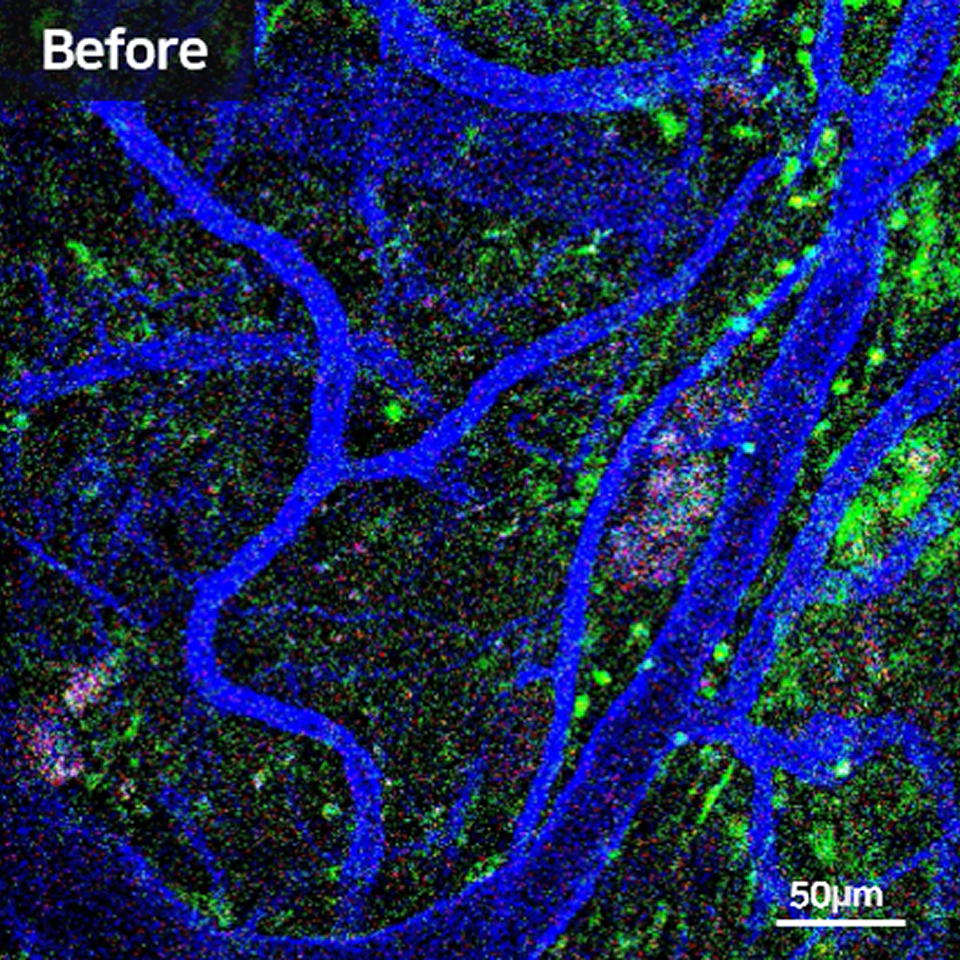
However, faster imaging inevitably reduces the number of photons collected per frame, resulting in weaker signals and higher noise. This low signal-to-noise ratio (SNR) obscures cell boundaries, blurs fluorescence signals, and introduces uncertainty into quantitative analysis. For researchers, this means unreliable data, reduced reproducibility, and time lost repeating experiments.
The AI-Driven Solution
AI-Image Denoiser addresses these challenges by combining advanced spatio-temporal learning with self-supervised AI algorithms. Unlike conventional AI models that require clean reference images, it learns directly from noisy raw data.
By analyzing spatial and temporal patterns across frames, the software automatically separates true fluorescence signals from random noise, preserving the integrity of biological information.
This means researchers no longer need to prepare special datasets Research Benefits
Transforming Research Efficiency
Conventional denoising can take more than seven hours for a single dataset, slowing down research workflows and limiting the number of experiments that can be conducted.
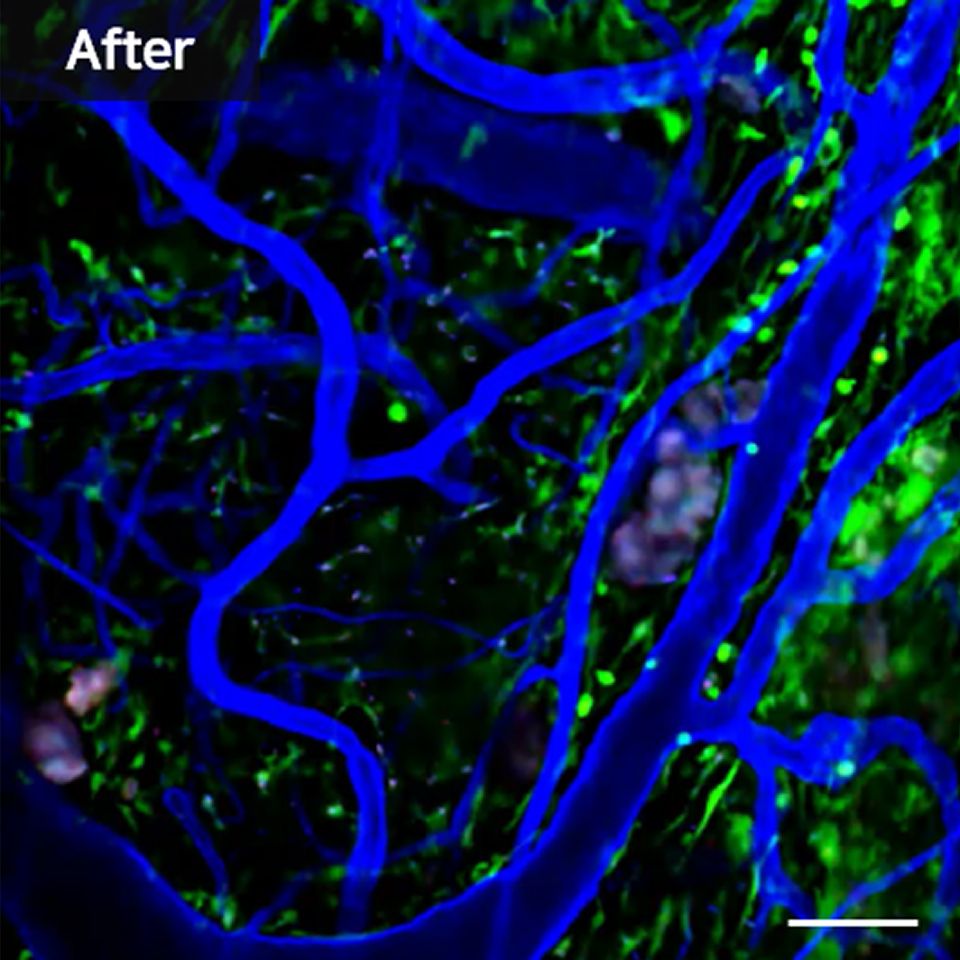
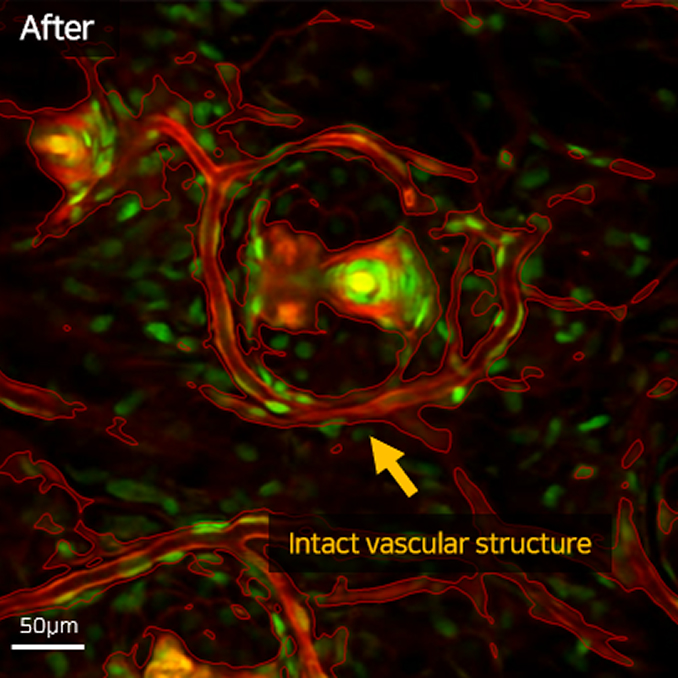
AI-Image Denoiser reduces this process to just 30 minutes, enabling same-day analysis even for complex datasets. Beyond speed, the software preserves fluorescence without distortion, ensuring that fast-moving red blood cells or immune cells can be analyzed accurately. The result is not only higher efficiency but also improved reproducibility—researchers can trust that their quantitative measurements reflect true biological phenomena.
Applications in Advanced Imaging
- Tracking immune cell migration in inflamed tissues
- Monitoring rapid drug responses in vivo
- Measuring blood flow dynamics through red blood cell movement
- Long-term live imaging with reduced photobleaching
Validation in Real Experiments
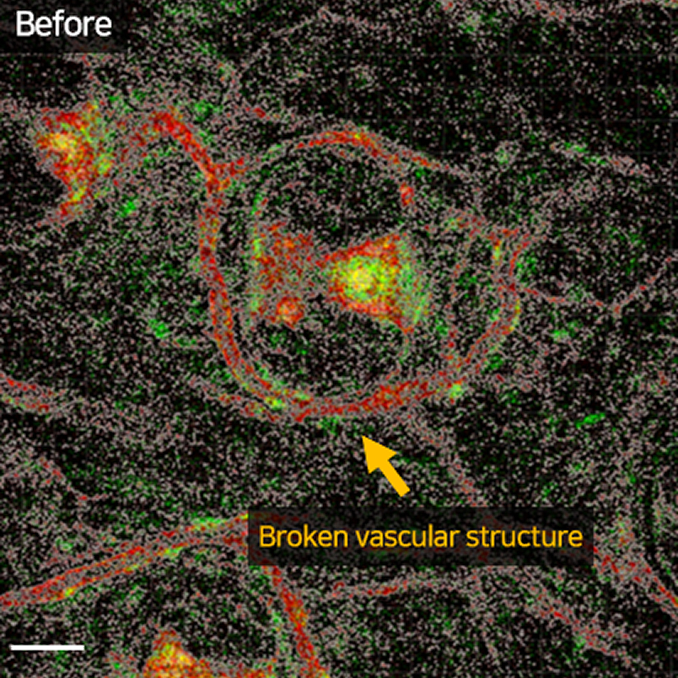
In a transgenic mouse ear skin model, intravital microscopy was used to capture vascular structures and circulating red blood cells at high speed. The raw data exhibited strong noise due to limited exposure. After processing with AI-Image Denoiser, the resulting images revealed clear fluorescence signals without distortion and significantly reduced noise. This validation demonstrates that the software provides robust, trustworthy results even under demanding high-speed imaging conditions.
Specifications
| Component | Minimum | Recommended |
|---|---|---|
| GPU | NVIDIA GeForce GTX 1080 | NVIDIA GeForce RTX 4080 |
| RAM | 64 GB | 128 GB |
| CPU | Intel Core i5-11600K, AMD Ryzen 5 3600 | Intel Core i7-13700K, AMD Ryzen 9 5800X |
| Disk | 512 GB SSD (≥150 GB free) | 1 TB NVMe SSD (≥300 GB free) |
IVI Tag™ – In Vivo Labels
Track cells and proteins inside living organisms with unmatched clarity.
Multi-color imaging, no dilution, no signal loss.
Research Background
Traditional antigen-antibody labeling is limited in vivo due to dilution effects, handling errors, and signal loss. IVIM’s IVI Tag™ overcomes these barriers with advanced fluorescence tagging optimized for intravital microscopy. Researchers can now monitor vascular, immune, and neurological processes in real time without compromising signal integrity.
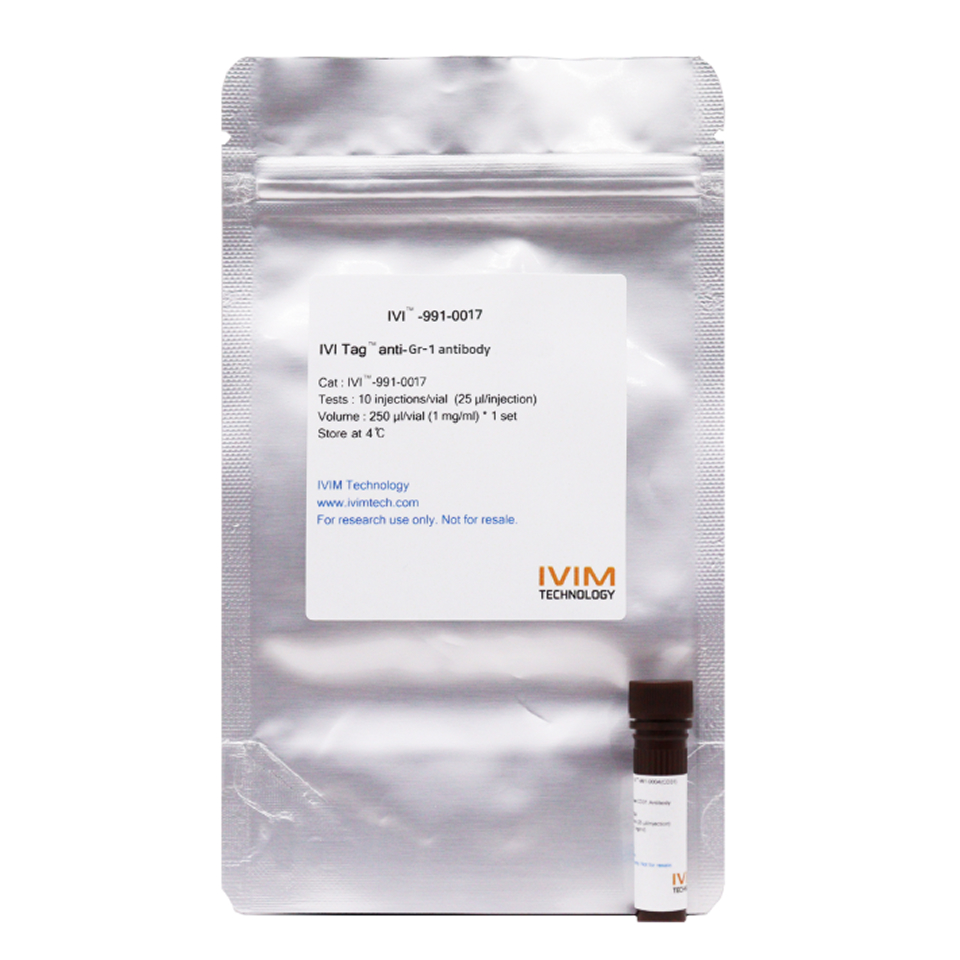
Core Technologies
- Direct In Vivo Labeling – No dilution, no handling error, no fluorescence loss
- Multi-Color Compatibility – Four excitation/emission channels + autofluorescence capture (up to 5 signals)
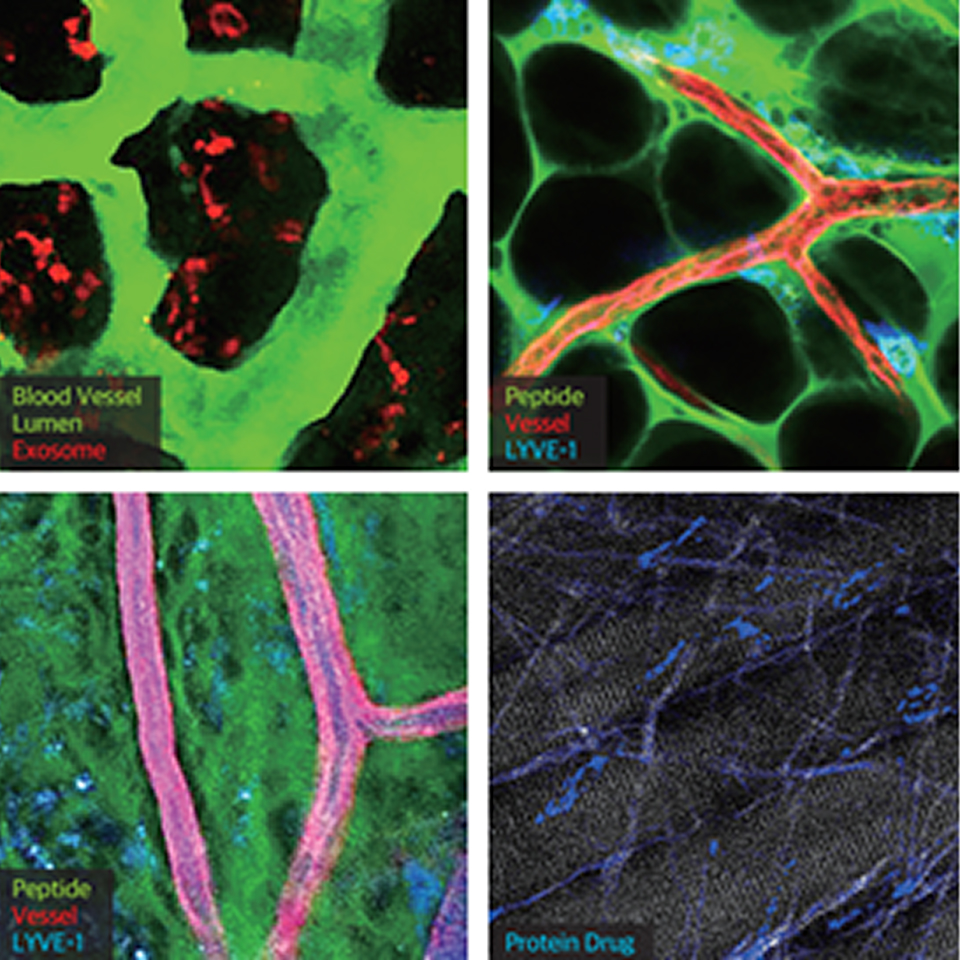
- Organ & Cell-Specific Targets – Endothelial cells (CD31), lymphatic vessels (LYVE-1), dendritic cells (CD11b), T cells (CD3), macrophages (F4/80, CD206), neurons and astrocytes (GFAP, Tau, Amyloid β)
- Broad Microscope Compatibility – Works with IVIM IVM series, confocal, and two-photon systems
- DIY Labeling Kits – Conjugate antibodies, exosomes, peptides, or drugs for customized in vivo imaging
Research Benefits
- Reliable in vivo tracking of immune dynamics, vascular remodeling, and disease progression
- Longitudinal studies without repeated errors from traditional labeling
- High reproducibility and quantitative accuracy for preclinical and neuroscience models
- Easy integration into existing intravital microscopy workflows
Specifications
- Excitation/Emission Wavelengths: 406/445, 495/519, 554/565, 651/667 nm
- Compatibility: IVIM IVM systems, confocal, two-photon microscopes
- Product Range: Antibody panels for CD31, LYVE-1, CD11b, Ly6C, Gr-1, Ly6G, CD3, CD45, F4/80, CD206, GFAP, Tau, Amyloid β, Iba1, and more
DIY In Vivo Labeling Kits
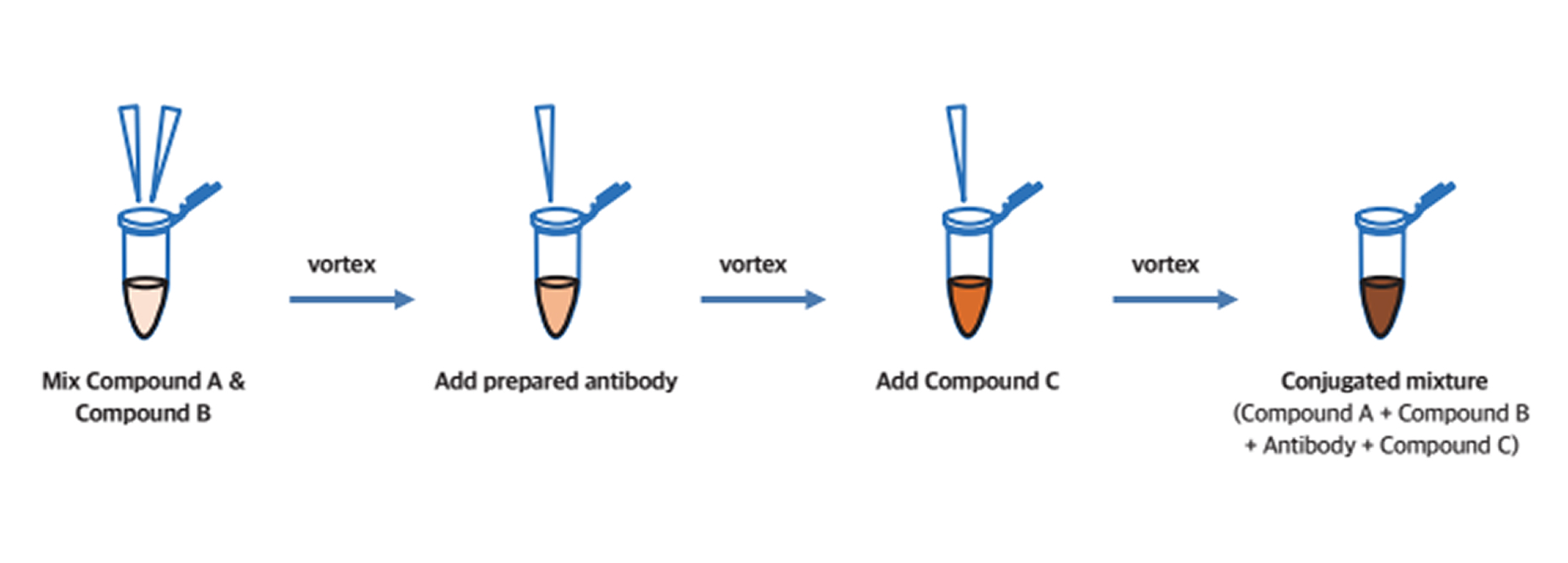
The IVI Tag™ DIY In Vivo Labeling Kit enables researchers to fluorescently tag their own targets—including antibodies, exosomes, peptides, and chemical drugs—for precise in vivo imaging. Using IVIM’s conjugation technology, the kit simplifies the labeling process into a few straightforward steps, making it possible to generate high-quality in vivo labels within hours. Unlike traditional antigen-antibody conjugation methods, IVI Tag™ DIY ensures that fluorophores are expressed at the intended target sites in living tissues, reducing variability and signal loss. This flexibility allows scientists to customize their experiments and track novel biological processes in real time.
In Vivo Label Preparation Steps
Conjugation
In Vivo Imaging Fixation Adjuncts
Stable, long-term imaging of dynamic organs with precision.
From brain to pancreas, expand research possibilities without compromising animal welfare.
Research Background
Intravital microscopy enables visualization of biological processes in living organisms, but motion artifacts, limited access, and repeated surgeries restrict long-term and reproducible imaging.
Fixation adjuncts solve these issues by stabilizing organs and providing optical access windows, allowing researchers to conduct weeks of continuous observation without sacrificing animals after each session.
Core Technologies
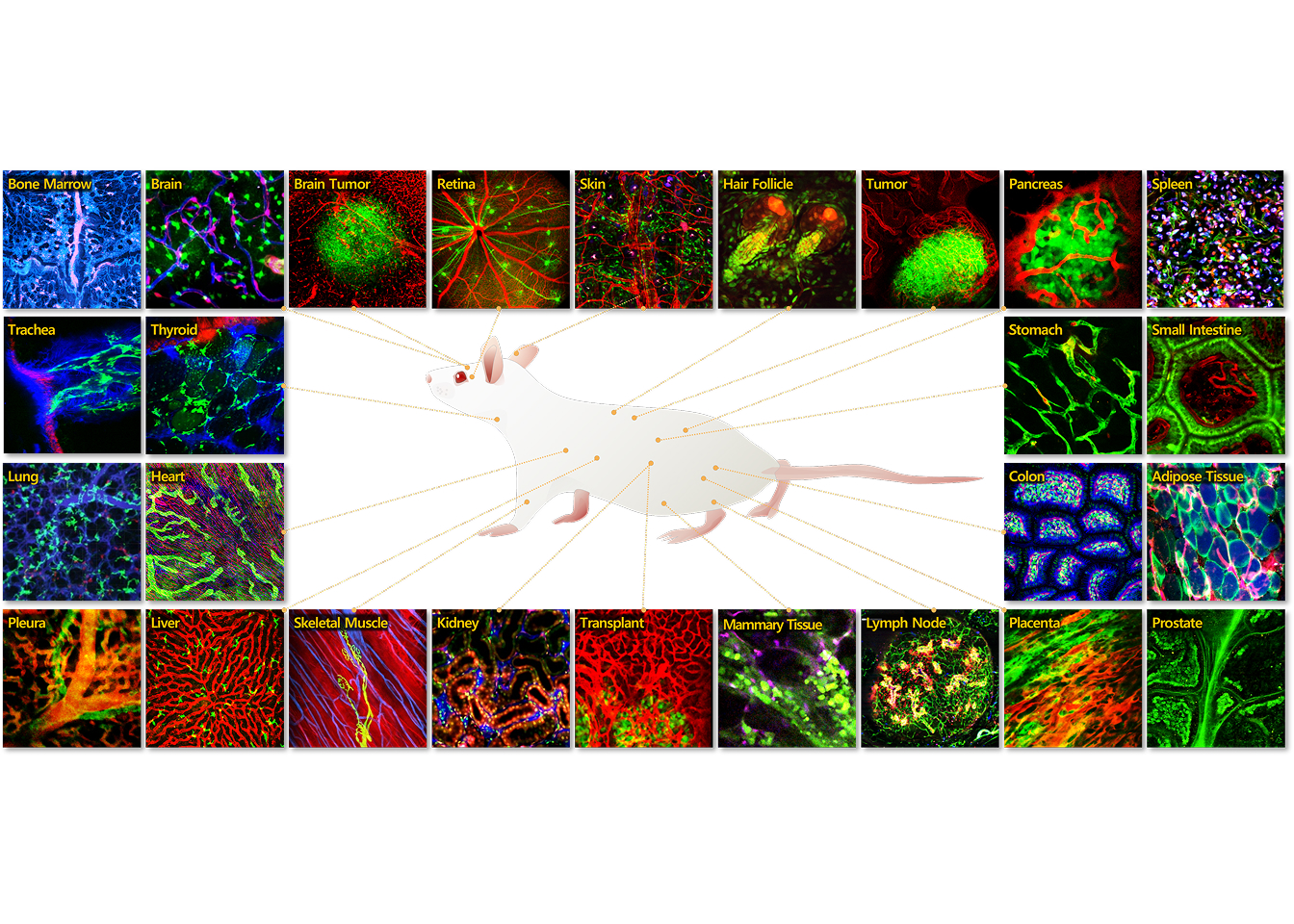
Organ-Specific Windows
Dorsal skinfold, cranial, abdominal, mammary, pancreas, and uterus imaging chambers designed for precise access.
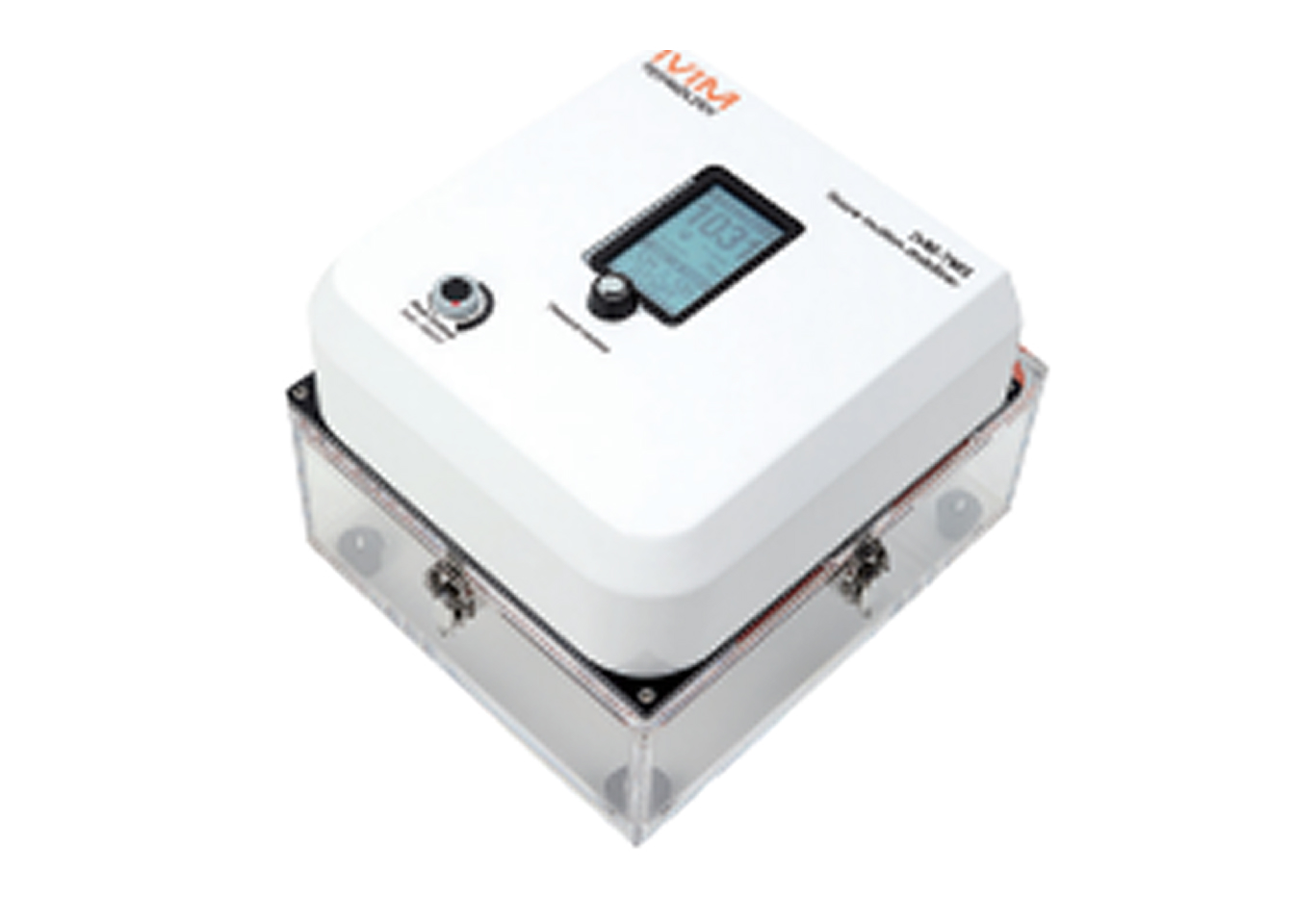
Dynamic Organ Stabilization
Tissue Motion Stabilizer (IVM-TMS) with micro-suction prevents micron-level tissue movement during imaging of the heart, lung, and thymus.
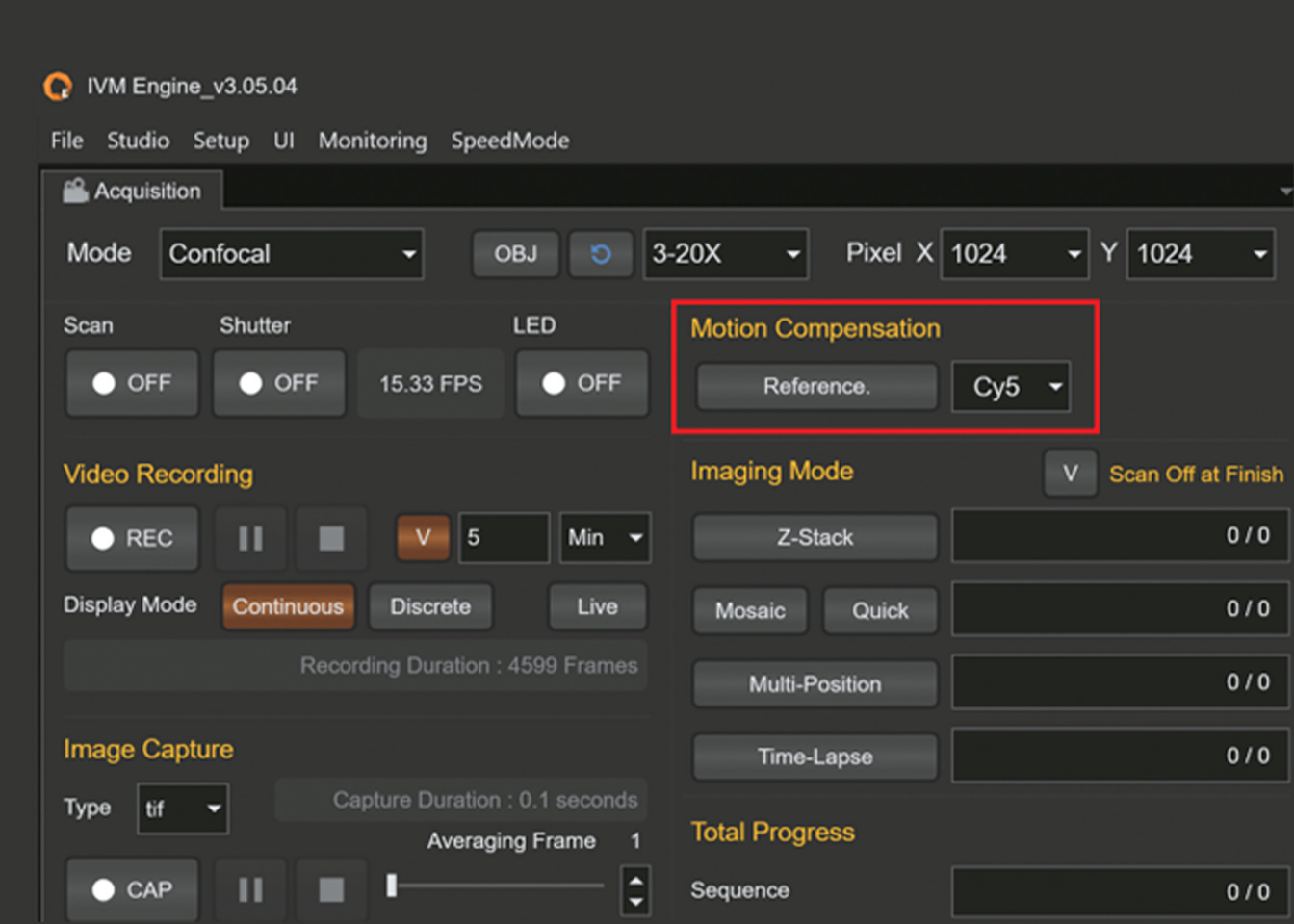
Motion Compensation Software
GPU-assisted algorithm corrects motion artifacts in real time, ensuring high-quality imaging of moving tissues.
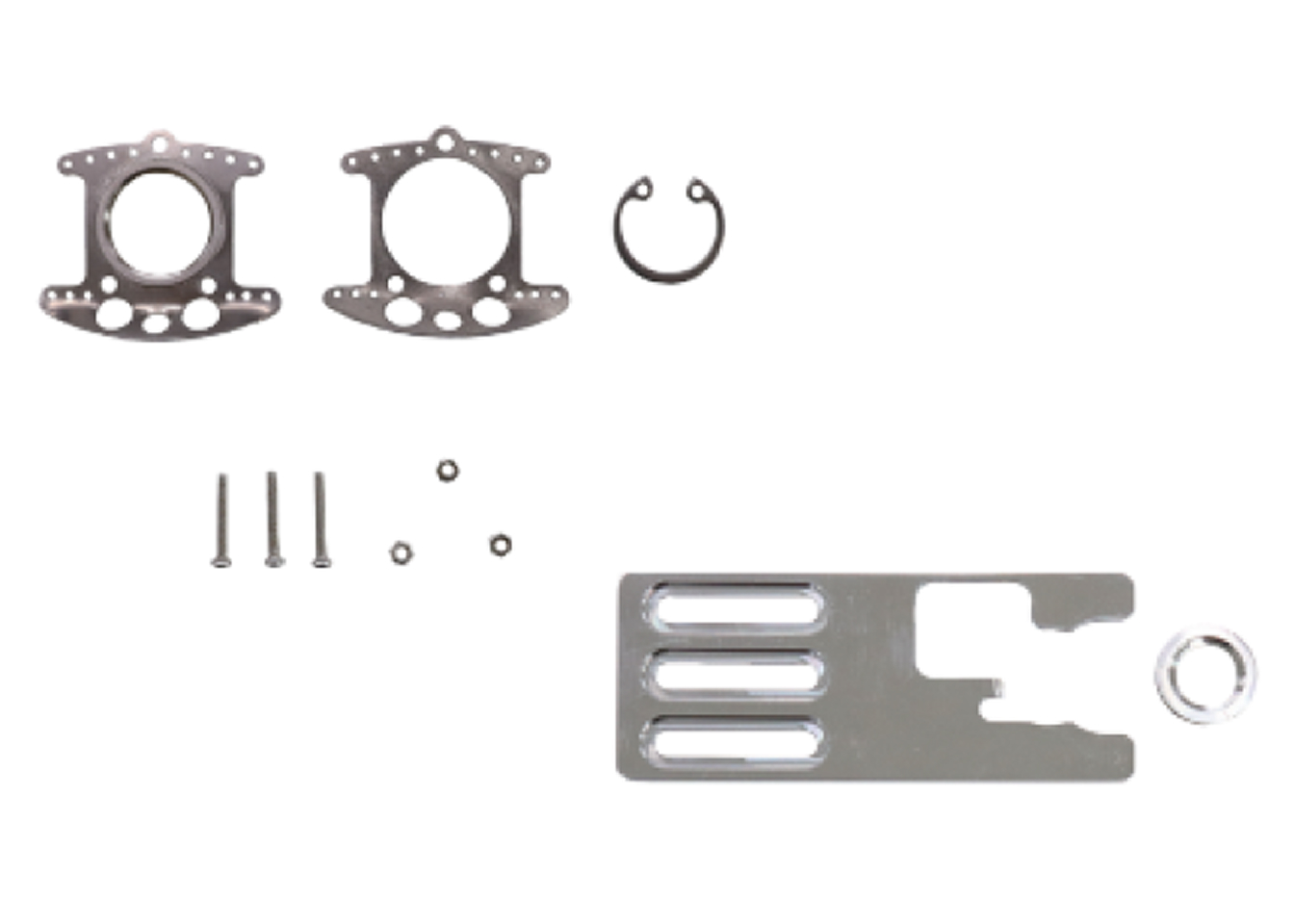
Minimally Invasive Design
Lightweight, compact chambers reduce surgical burden and extend longitudinal studies.
Research Benefits
- Enables longitudinal imaging for several weeks
- Reduces animal use, promoting ethical research practices
- Provides stable platforms for drug delivery, cancer progression, immune dynamics, and vascular studies
- Enhances reproducibility and quantitative reliability in preclinical models
Applications Gallery
-
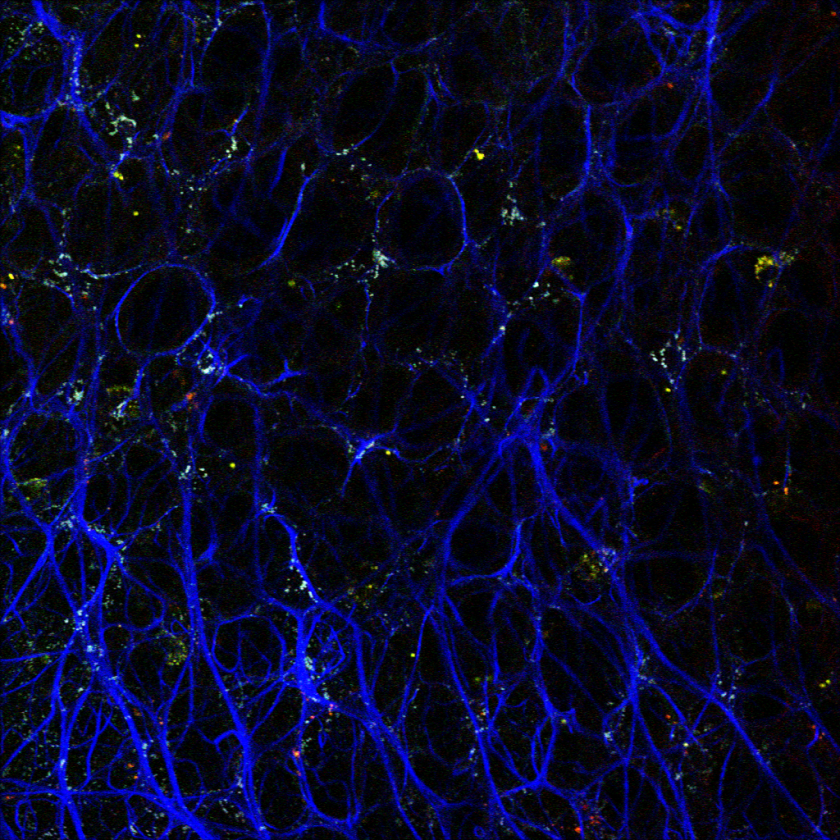
Lung
Intravital in vivo applications in the lungs of mice provide a powerful tool for studying pulmonary biology, disease processes.
-
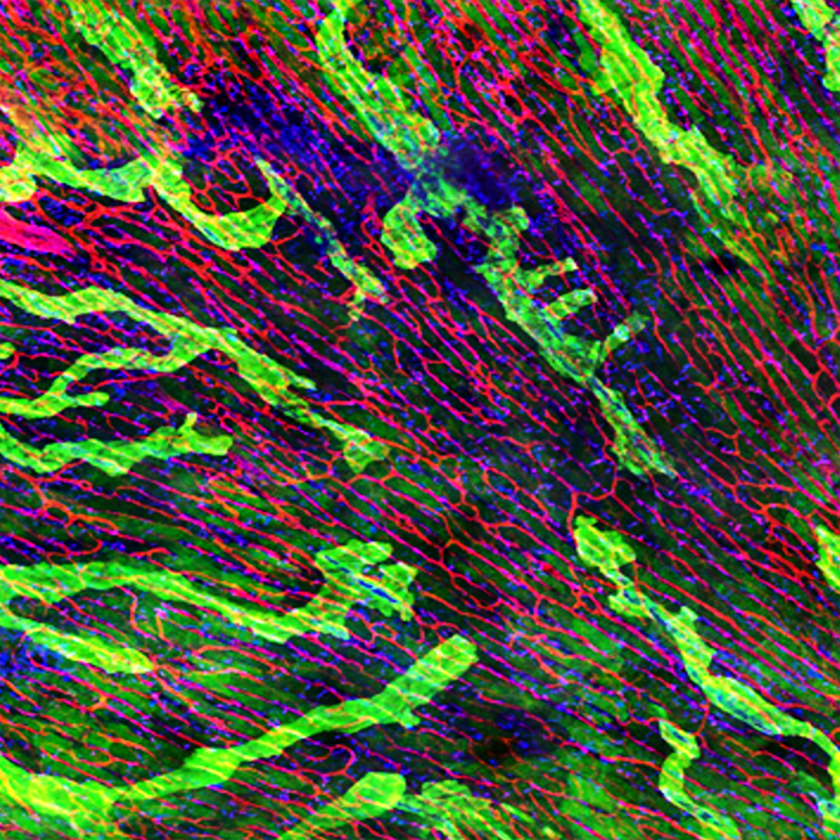
Heart
In vivo intravital imaging of the heart in mice offers a powerful approach to studying dynamic cardiac processes and cardiovascular function.
-
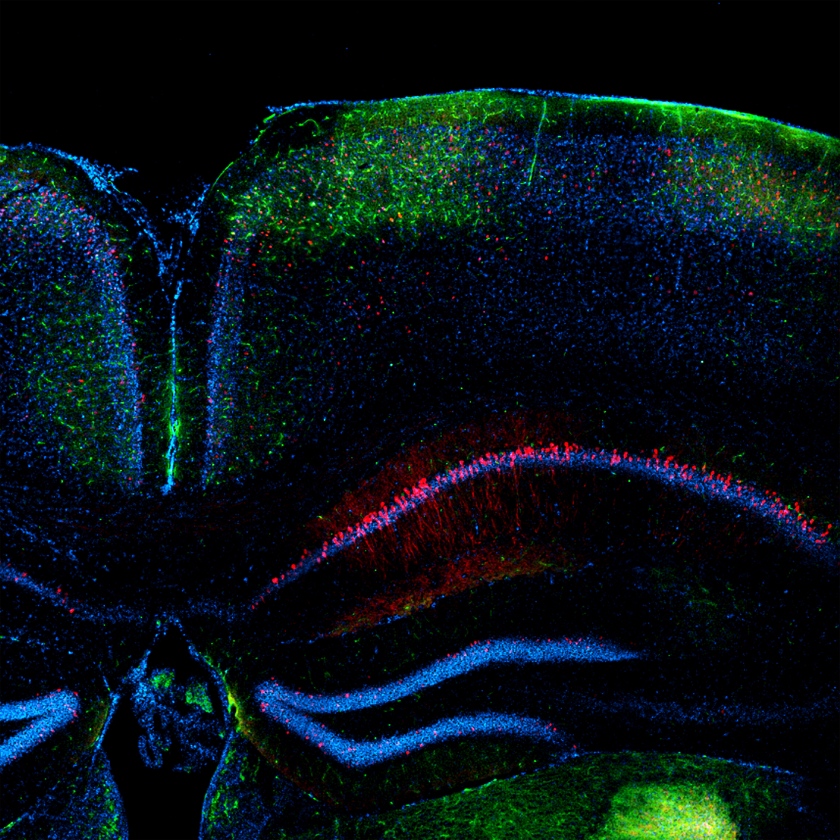
Brain
IVIM Technology provides advanced imaging solutions that support a wide range of intravital imaging applications in the brain.
-
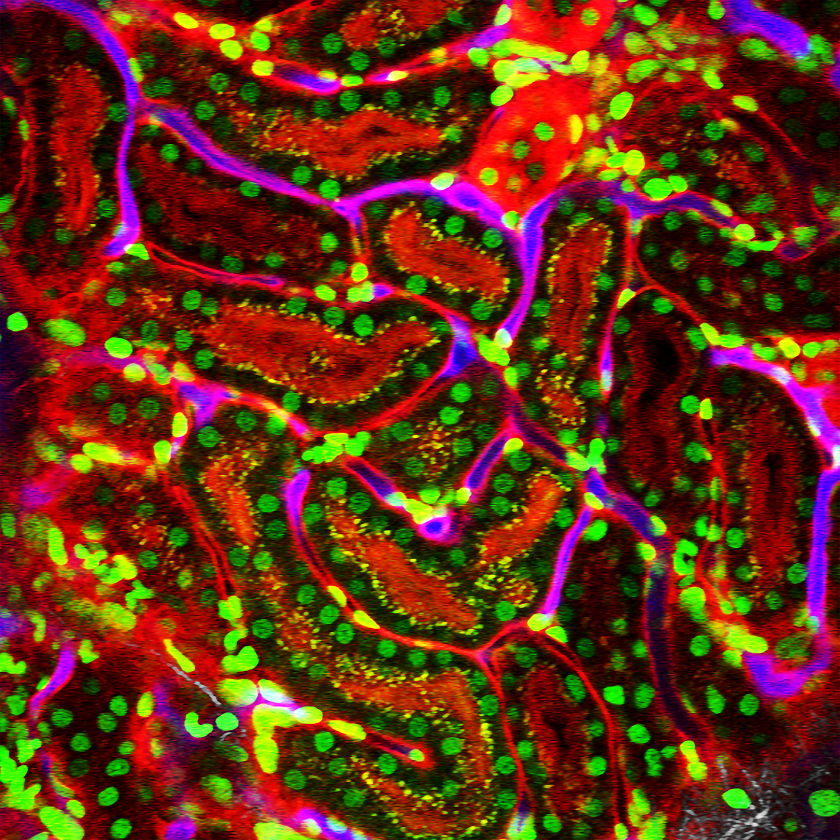
Kidney
In vivo intravital imaging of the kidney offers a powerful approach to studying dynamic cellular and molecular processes within this vital organ.
-
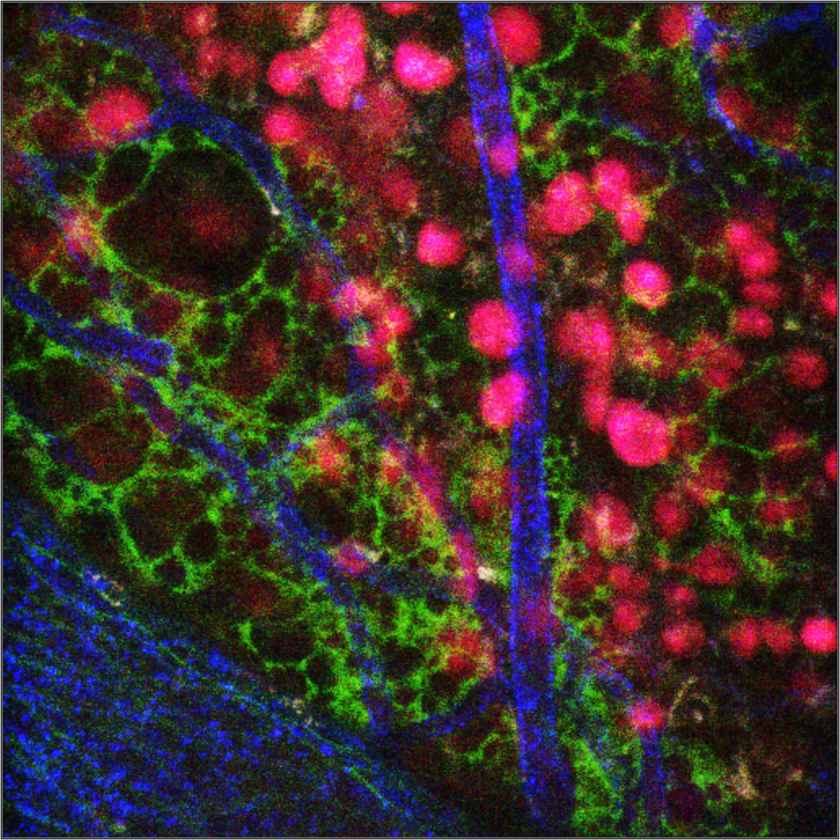
Pancreas
Intravital in vivo applications in the pancreas offer a unique window into the dynamic processes underlying pancreatic physiology.
-
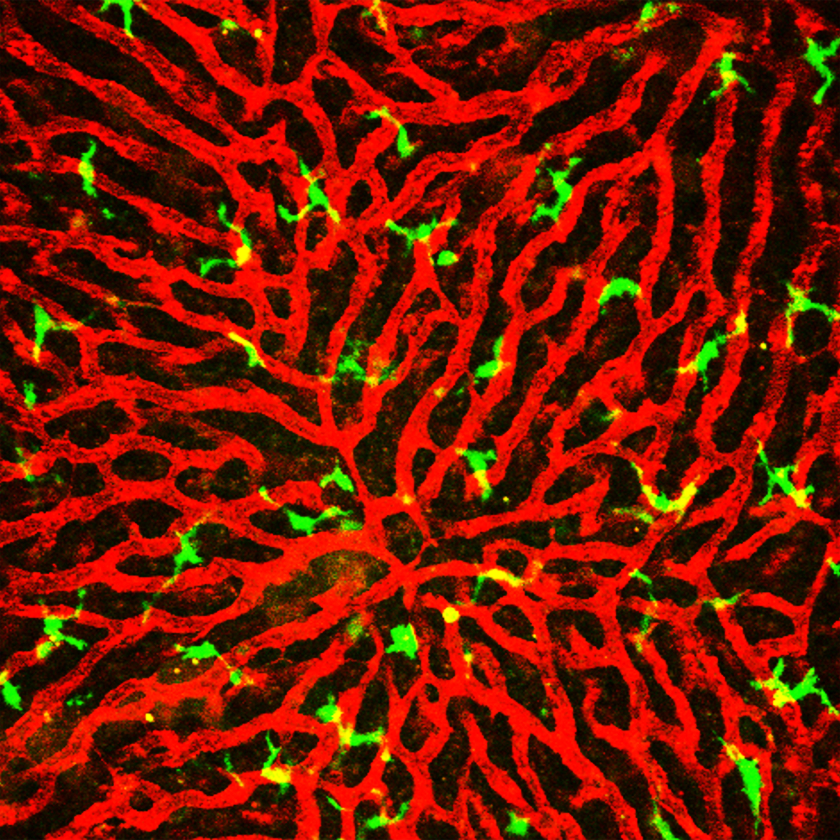
Liver
In vivo intravital imaging of the liver offers a powerful approach to studying dynamic cellular and molecular processes within this vital organ.
-
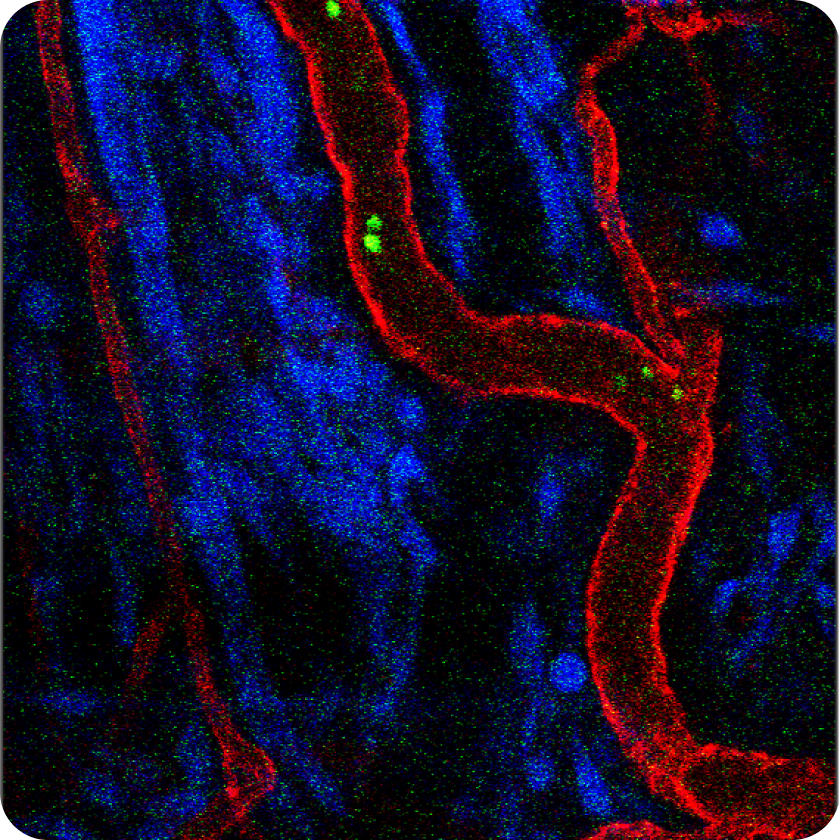
Tumor
In vivo intravital imaging of the tumor offers you the opportunity to explore various aspects of tumor biology through intravital imaging.
-
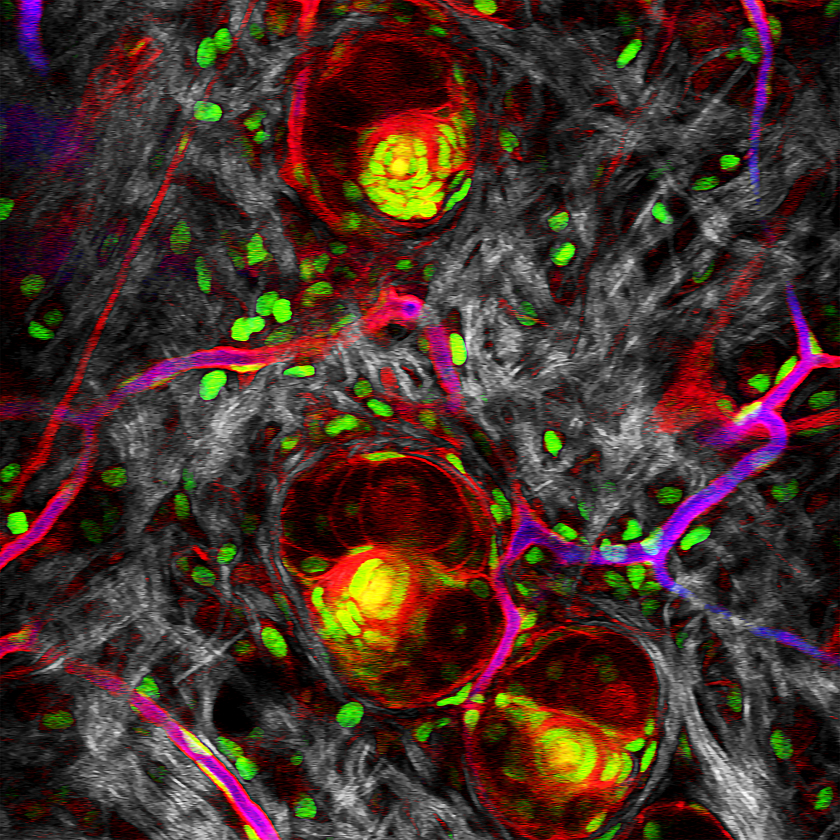
Skin
Leveraging intravital imaging techniques, IVIM Technology empowers researchers to gain valuable insights into the dynamic processes occurring within the skin microenvironment in vivo.
CRO 服务 | 药效验证的加速器
IVIM Technology 提供基于活体成像的临床前 CRO 服务,可直观评估药物的分布与疗效,加速药物开发的每一个关键步骤。我们不仅是服务提供商,更是您研究转化旅程中的战略合作伙伴。
Learn more
Events
-
Upcoming Webinar
22 Oct 2026

From Blood Flow to Immune Response: Seeing Cardiovascular Dynamics In Vivo
- Olivia Kim
- Technical Application Specialist
-
Upcoming Webinar
27 Oct 2026
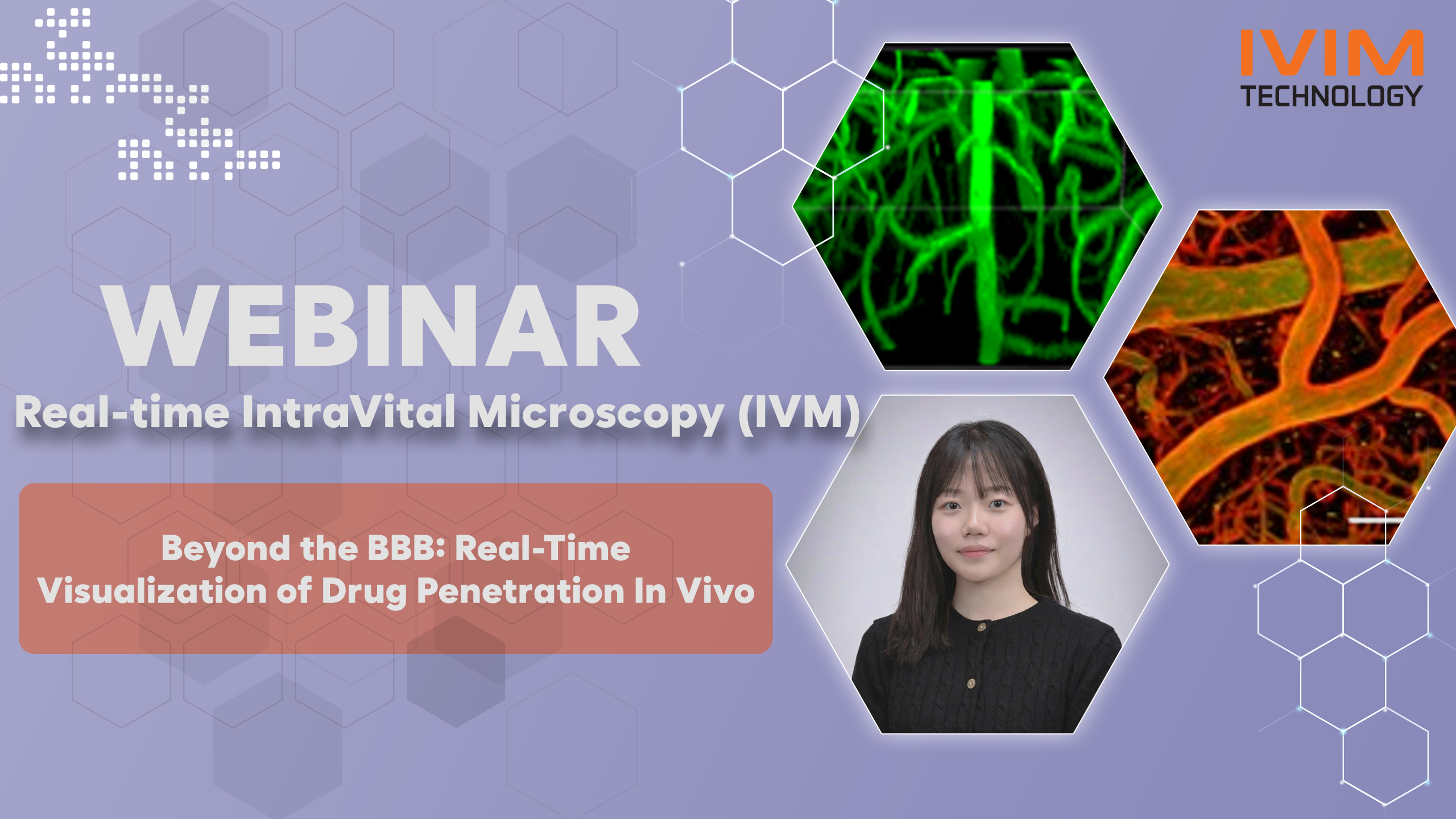
Beyond the BBB: Real-Time Visualization of Drug Penetration In Vivo
- Minji GU
- Technical Application Specialist, IVIM Technology Inc.
-
Past Webinar
08 Oct 2026
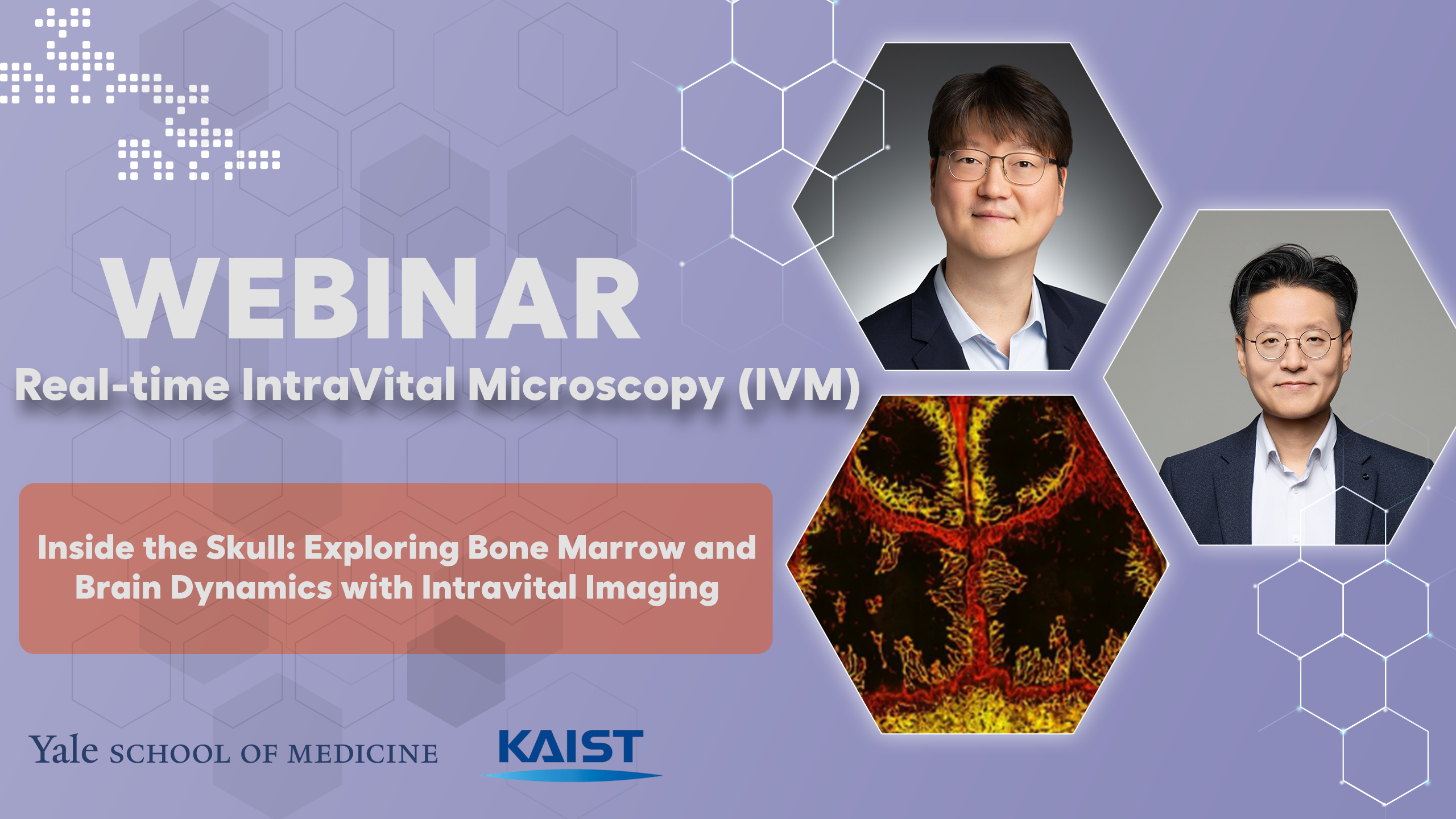
Inside the Skull: Exploring Bone Marrow and Brain Dynamics with Intravital Imaging
- Pilhan Kim, Ph.D.
- Professor, Graduate School of Medical Science and Engineering, KAIST
- Bong Ihn Koh, Ph.D.
- Assistant Professor, Department of Comparative Medicine at Yale Stem Cell Center, Yale School of Medicine
-
Workshop
23 Jun 2026
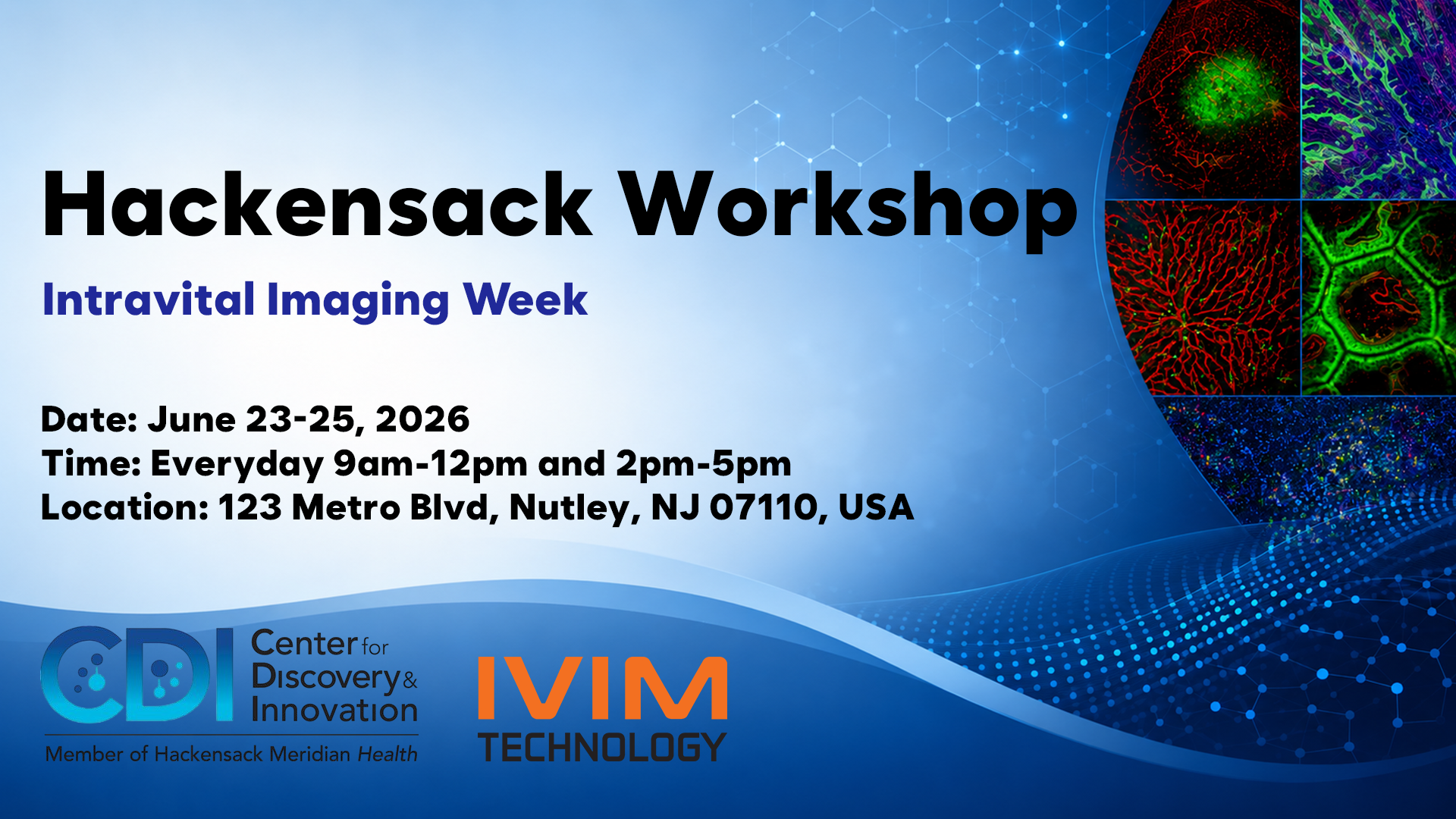
INTRAVITAL IMAGING WEEK with HMH-CDI
Learn more -
Workshop
21 Apr 2026

IVM Seminar and Imaging Session In Chicago
Learn more -
Workshop
17 Apr 2026

AAI 2026: Special Industry Talk
Learn more -
Exhibition
15 Sep 2026 - 18 Sep 2026
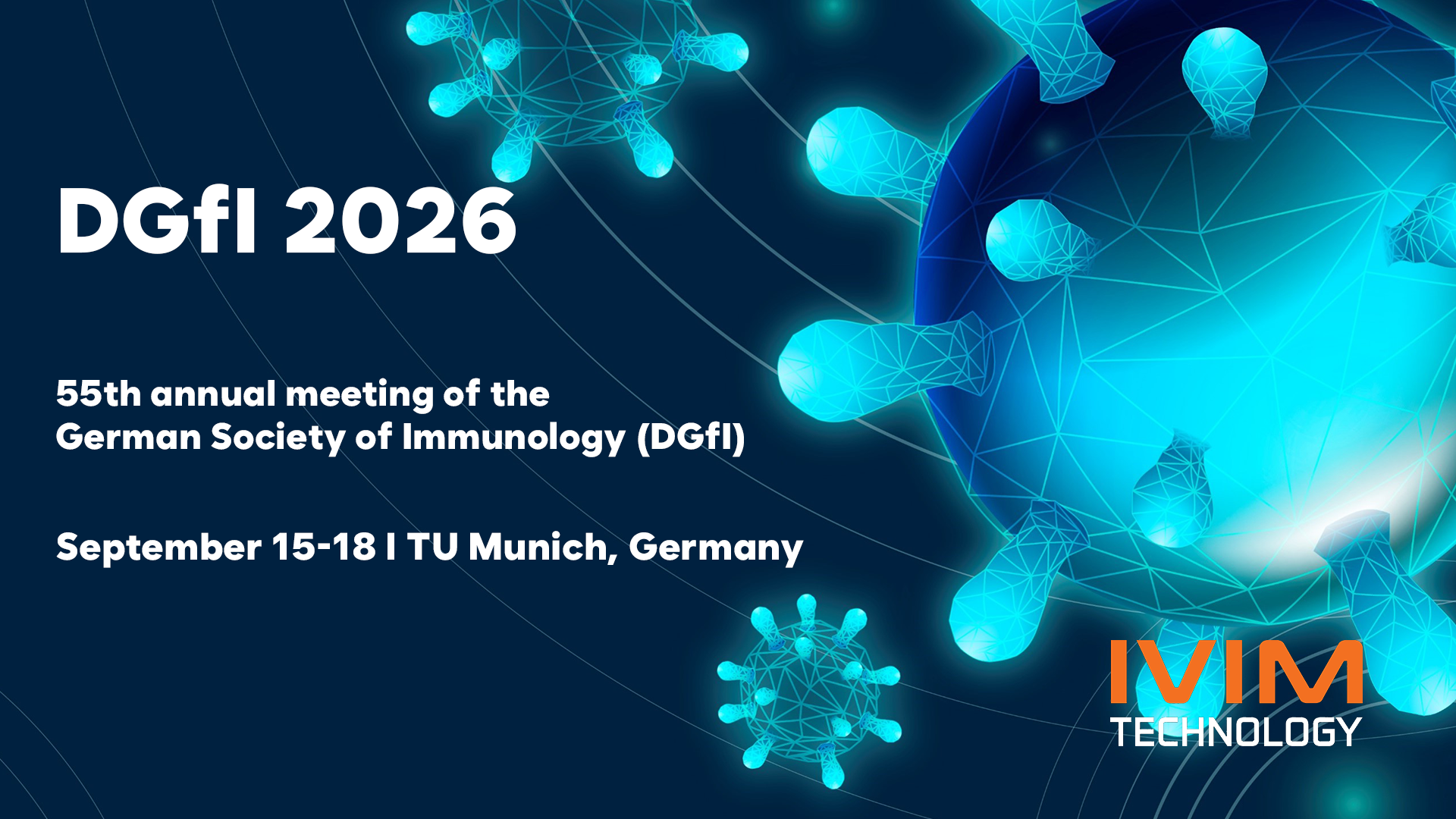
DGfI 2026
Learn more -
Exhibition
06 Sep 2026 - 10 Sep 2026

IVBM 2026
Learn more -
Exhibition
30 Jul 2026 - 02 Aug 2026

Neuro 2026
Learn more
-
Upcoming Webinar
22 Oct 2026
From Blood Flow to Immune Response: Seeing Cardiovascular Dynamics In Vivo
- Olivia Kim
- Technical Application Specialist
-
Upcoming Webinar
27 Oct 2026
Beyond the BBB: Real-Time Visualization of Drug Penetration In Vivo
- Minji GU
- Technical Application Specialist, IVIM Technology Inc.
-
Past Webinar
08 Oct 2026
Inside the Skull: Exploring Bone Marrow and Brain Dynamics with Intravital Imaging
- Pilhan Kim, Ph.D.
- Professor, Graduate School of Medical Science and Engineering, KAIST
- Bong Ihn Koh, Ph.D.
- Assistant Professor, Department of Comparative Medicine at Yale Stem Cell Center, Yale School of Medicine
-
Workshop
23 Jun 2026
INTRAVITAL IMAGING WEEK with HMH-CDI
Learn more -
Workshop
21 Apr 2026
IVM Seminar and Imaging Session In Chicago
Learn more -
Workshop
17 Apr 2026
AAI 2026: Special Industry Talk
Learn more
-
Exhibition
15 Sep 2026 - 18 Sep 2026
DGfI 2026
Learn more -
Exhibition
06 Sep 2026 - 10 Sep 2026
IVBM 2026
Learn more -
Exhibition
30 Jul 2026 - 02 Aug 2026
Neuro 2026
Learn more

